In life, we often make unexpected mistakes or, conversely, find ourselves in embarrassing situations due to the mistakes of others.
How do you react in such moments?
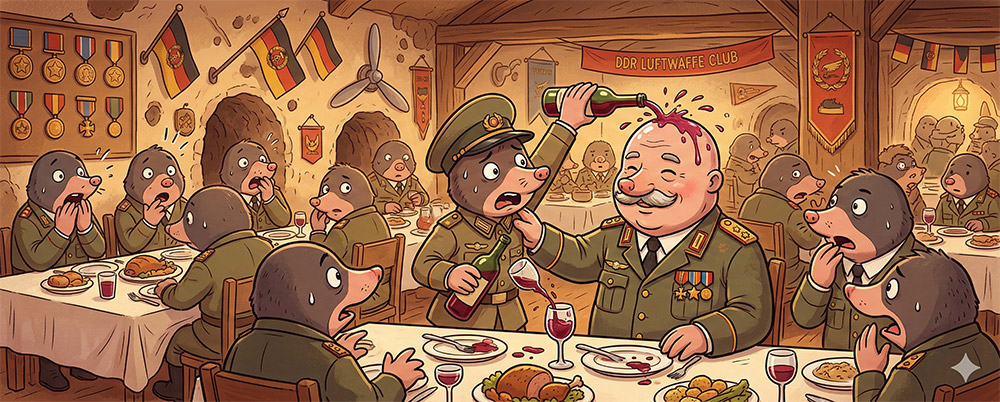
In a sunny banquet hall, a young soldier, overcome with nervousness, makes a mistake.
While pouring wine, he accidentally spills red wine all over General Ude’s gleaming bald head.
In an instant, the banquet hall froze.
With the supreme commander’s authority tarnished, the soldier turned pale and didn’t know what to do, while his comrades around him held their breath.
In a situation where it wouldn't have been surprising if anger had erupted, the general took out a handkerchief, wiped his head, and patted the soldier's shoulder.
"Look, soldier, do you really think this method is effective for treating hair loss?"
At this short joke, the banquet hall, which had been filled with tension, erupted in bursts of laughter.
The General used his 'baldness,' which could have been a source of shame, as material for humor, relieving the embarrassment of a subordinate who had made a mistake and demonstrating his qualities as a great man.
The Lebanese philosopher Khalil Gibran left us these words:
"We learn silence from the talkative, tolerance from the narrow-minded, and kindness from the unkind."
The reason General Oude's anecdote resonates deeply with us is that he chose the 'ease to laugh' instead of the 'right to be angry.'
The Value of Silence: Taking a step back the moment you want to criticize The Law.
The Aesthetics of Tolerance: How to Turn Others' Mistakes into Opportunities to Elevate Your Own Dignity.
The Power of Humor: How to Become the Lubricant for Rigid Organizations and Relationships.
Korean society has a particularly strong tendency to place importance on 'face' and 'perfection.'
However, true authority does not come from raising one's voice, but from a broad heart that embraces the mistakes of others.
Just as hair loss cannot be cured with alcohol, mistakes that have already occurred cannot be reversed merely through reprimands.
Rather, how you handle the situation determines a person's true 'capacity'.
To a colleague who made a mistake:Try saying, "Thanks to you, we have a funny anecdote!" instead of blaming.
In an embarrassing situation:Turn the atmosphere around with self-deprecating humor.
To yourself:Offer a word of tolerance saying, "It happens."